
Reclaim Yards Without Heavy Earth-Moving
Brush Removal & Overgrowth Clearing in Germantown for dense underbrush elimination and fire hazard reduction
Neglected properties accumulate invasive honeysuckle, volunteer saplings, and tangled underbrush that create fire hazards, harbor ticks and rodents, and prevent yard use for recreation or maintenance. ClearCut removes dense undergrowth and overgrown vegetation from suburban and rural properties in Germantown and surrounding Montgomery and Warren County neighborhoods, using equipment-light methods that protect existing structures, fences, and desirable landscaping while eliminating the vegetative buildup that makes properties impassable. Homeowners reclaiming yards after years of deferred maintenance notice immediate access improvement and reduced pest pressure once thick brush is removed and processed.
Brush clearing addresses the layer of woody vegetation below the tree canopy—the saplings, brambles, and dense shrub growth that blocks foot traffic and sight lines. The process selectively removes problem vegetation while avoiding damage to mature trees, fence lines, or structures, using equipment scaled to residential lot constraints rather than bulldozers or excavators that compact soil and require wide access corridors. This approach works particularly well for properties where invasive species like honeysuckle have overtaken native vegetation or where fire departments have flagged brush accumulation as a wildfire risk.
Schedule a yard assessment to identify problem vegetation, site access points, and areas requiring selective preservation..
What You Notice Once Overgrowth Is Cleared
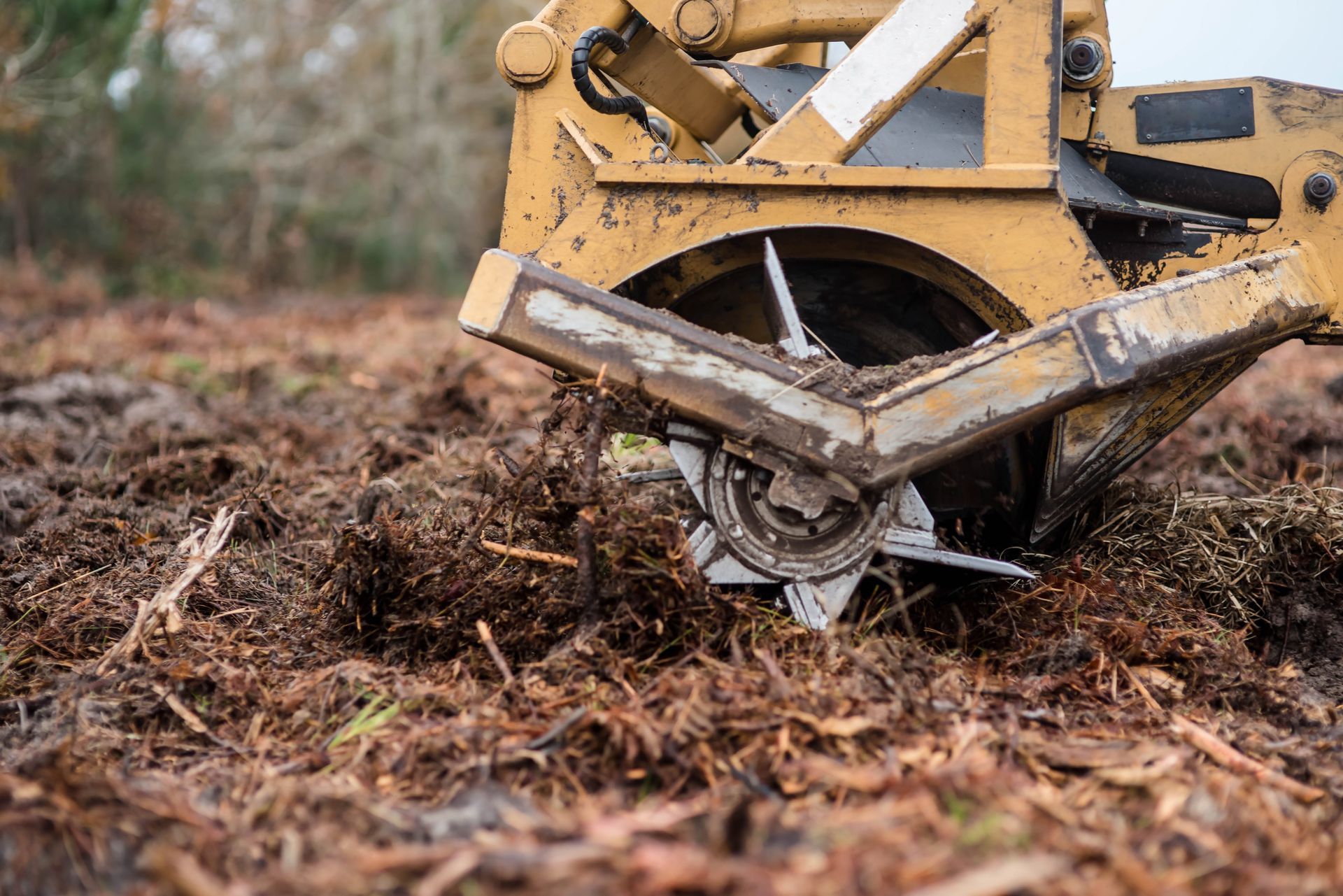
The clearing process begins with identifying vegetation for removal versus preservation, then cutting and processing undergrowth, saplings up to six to eight inches in diameter, and woody vines that have climbed fences or structures. Material is either mulched in place to suppress regrowth or removed depending on site size, proximity to structures, and whether you want organic matter left to decompose or prefer bare soil for replanting or lawn establishment. Equipment maneuvers through existing access points—gates, driveways, or previously cleared paths—to minimize turf damage and avoid underground utilities or septic system components.
After overgrowth clearing, you walk across previously impassable sections of your yard without pushing through thorny tangles or navigating around waist-high saplings. Property boundaries become visible again, fence lines are accessible for repair or maintenance, and sight lines open up to reduce concealment cover for wildlife or intruders. The cleared area reveals underlying terrain, existing landscaping features that were hidden, and problem spots like drainage swales or eroded areas that require attention once vegetation no longer obscures them.
Brush removal handles the vegetation layer but does not include stump grinding, grading, or soil amendment. If your property has large stumps, significant elevation changes, or compacted soil requiring aeration, those issues are addressed separately after clearing is complete. Selective clearing preserves root systems of desirable trees and avoids soil disturbance that would necessitate regrading or erosion control measures on sloped properties..
Answers to Frequent Service Questions
Homeowners throughout the Germantown area typically ask about process details, costs, and outcomes before committing to overgrowth removal projects.
How do you clear brush without damaging existing landscaping?
Selective clearing involves cutting and processing only the vegetation marked for removal; equipment operators navigate around mature trees, ornamental plantings, and hardscape features using narrow-width attachments that fit through gates and between obstacles.
Will clearing prevent brush from growing back?
Removing existing vegetation opens the site for replanting, lawn establishment, or ongoing maintenance; however, without follow-up mowing, herbicide treatment, or landscape installation, brush and saplings will resprout from root systems and seed sources within one to two growing seasons.
What happens to the cleared brush material?
Material is mulched on-site if space allows and you want organic matter left to suppress weeds, or hauled off-site if you need clean ground for immediate replanting or lawn seeding; disposal cost is separate when material leaves the property.
Can you clear honeysuckle and invasive species?
Bush honeysuckle, multiflora rose, and other invasive woody plants are cut and processed during clearing; controlling regrowth requires either repeated cutting to exhaust root reserves or herbicide application timed to the plant's growth cycle, which is typically a separate service.
How much does brush clearing cost per acre?
Cost depends on vegetation density, terrain accessibility, and whether material is mulched on-site or hauled away; properties with light to moderate brush density and good equipment access cost less per acre than heavily overgrown sites requiring multiple passes or hand-cutting around obstacles.
ClearCut focuses on profitable, fast-turnaround brush removal projects across Germantown and neighboring communities where homeowners need reliable overgrowth clearing without the delay and cost of coordinating multiple contractors. Request an on-site estimate to review vegetation type, acreage, and material disposal preferences for accurate project scoping.